Solar Panels UK - Costs, Savings & How Interviewa Helps the Industry
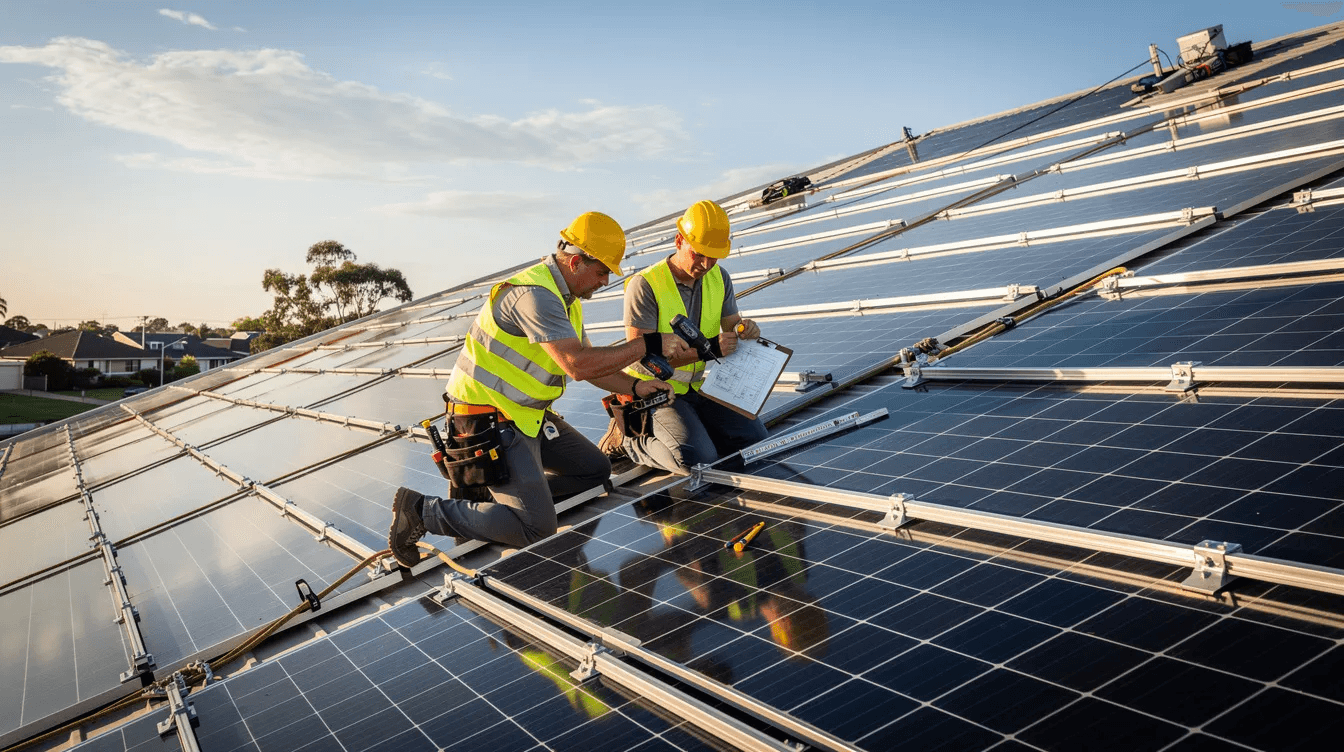
Nearly 2 million homes in the UK have solar panels installed, and that number's climbing fast. Whether you're a homeowner weighing up your first solar quote or a solar business struggling to recruit skilled installers, this guide covers everything you need to know about solar panels in the UK in 2026 - costs, savings, regulations, battery storage, plug in solar panels, and how AI-powered tools from Interviewa are helping the industry and serve customers better.
Fast answers: Are solar panels worth it and what is the solar panels cost in the UK in 2026?
For most UK households? Yes. A typical 4 kWp to 4.5 kWp solar panel system costs around £7,600 fully installed, with installation costs for solar panels ranging from £5,500 to £8,000+ in 2026 depending on roof type, access, and equipment choices. A typical household can save over £500 annually because panels capture the sun's energy to generate electricity, and savings depend on the electricity generated and used during daylight hours, with some well-optimised setups saving £700 or more per year through lower electricity costs and lower energy bills. Solar panels can significantly cut energy bills by up to 70% for homes that use most of their own electricity during daylight hours.
Payback periods for solar panel installations are generally between 6 and 10 years for optimised systems. That's helped by the uk government-backed Smart Export Guarantee, which replaced the Feed-In Tariff scheme in 2020 and pays 1p to 25p per kilowatt hour for exported solar energy, with payments available through an energy supplier or energy provider if you have a smart meter and an MCS-certified system, plus 0% VAT on residential solar installations running until 31 March 2027 - effectively knocking about 20% off your upfront costs. You can earn from £50 to £700 annually by exporting excess electricity back to the grid, depending on your tariff and self-consumption. Solar panels can also increase your home's value by up to 14%.
Your electricity supply can still come from a different energy supplier from the one handling SEG payments.
Who benefits most:
- Daytime-at-home households (remote workers, retirees)
- Owners of electric vehicles or a heat pump
- Homes with a south facing roof that gets plenty of direct sunlight and has limited shading
- High energy usage households wanting to cut energy bills
Who may not benefit as much:
- Properties with heavy shading or north-facing roofs
- Renters without landlord permission to install panels
- Households with very low electricity use or mostly evening consumption
They also help shrink a home's carbon footprint because renewable power can produce energy without harmful greenhouse gases.
Fully funded support may be available for low-income households through the energy company obligation, while the ECO4 initiative supports energy efficiency, the Warm Homes Plan invests close to £15 billion, Warm Homes: Local Grants can fund energy saving upgrades, and no solar panel grants are available in Northern Ireland or Scotland.
Monocrystalline panels are the most efficient option, while polycrystalline panels are usually cheaper but less efficient than monocrystalline panels.
The sections below cover costs, system sizing, battery storage, plug in solar panels, government schemes, and how Interviewa's AI tools are transforming both hiring and customer engagement across the solar industry.
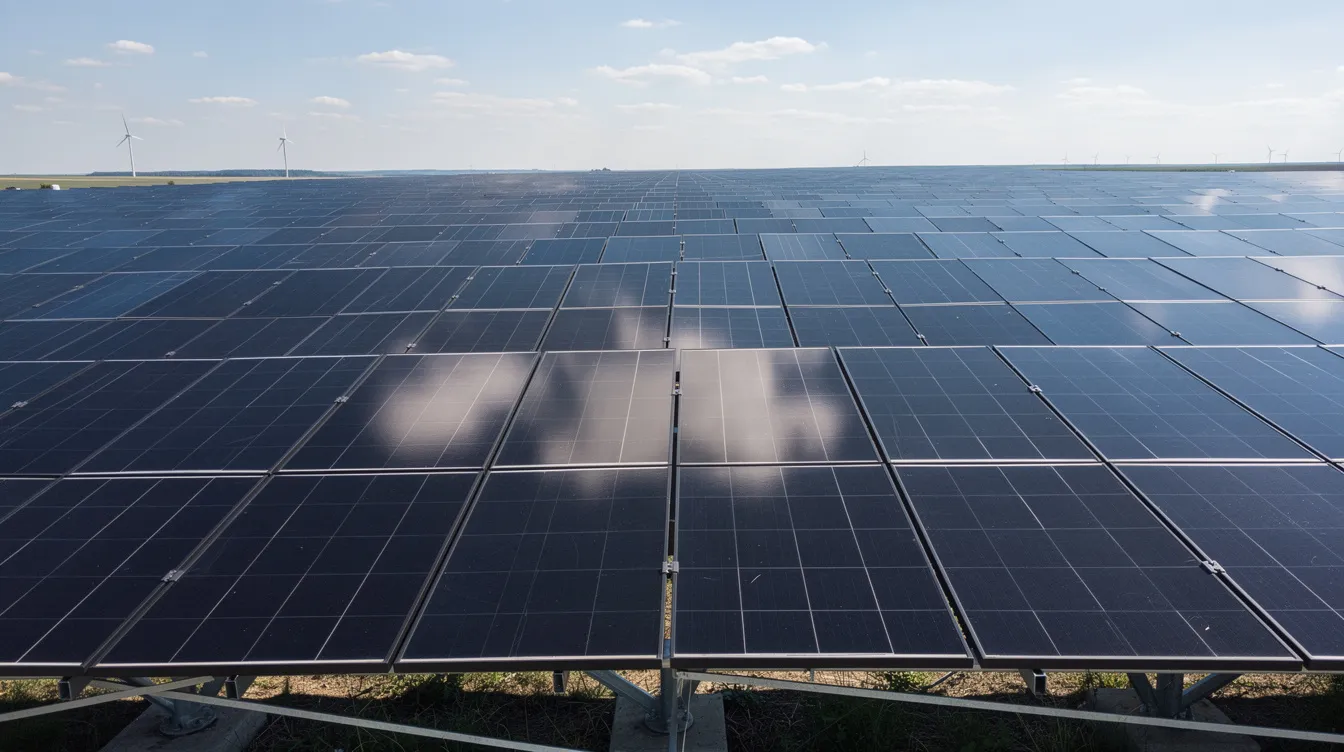
Battery storage and battery installation with solar panels
Battery storage lets you store excess daytime generation for evening and night-time use, helping households use more of the energy generated and more of their own power instead of importing from the National Grid.
Typical battery installation prices in the UK:
- 3–5 kWh battery: £2,500–£5,000
- 5–10 kWh battery: £4,500–£7,500 installed
- 10–15 kWh (or premium brands): £7,000–£12,000+
Adding a solar battery usually increases installation costs by £3,000 to £5,000, and a typical system with battery often comes in at £8,000 to £14,000.
Without a battery, most homes self-consume around 15–35% of solar generation. With battery storage, that jumps to 50–85%, dramatically reducing how much grid electricity you import. Because panels generate power in daylight hours, generating energy when you're home matters: using the electricity as it is produced usually saves more than exporting surplus.
Where solar batteries pay off best:
- Homes with high evening energy usage
- Households with electric vehicles needing overnight charging
- Properties running a heat pump
- Homes on smart time-of-use tariffs that allow "time-shifting" of cheap off-peak grid electricity
Under current UK rules, plug in solar panels are small solar systems that connect to home sockets, but they can't directly connect to batteries - you'll need a full hybrid setup with a solar inverter that converts the panels' power for household use.
Lifespan considerations: most batteries carry warranties of around 10 years or a set number of cycles. Degradation reduces usable capacity over time, which you should factor into your overall solar system payback period alongside inverter replacement expectations. Solar panels typically last 25 years or more, while the inverter often needs replacement after about 12 years, which can add to future repair costs.
Maintenance is minimal: rain often keeps panels clean in the UK, keeping nearby trees well trimmed helps limit shading, and optional annual checks usually cost £100 to £200.
For panel installation, most units come pre-wired, scaffolding setup typically takes 3 to 8 hours, wiring to the consumer unit must be handled by a qualified electrician or certified installer, and final checks confirm the system is working properly.
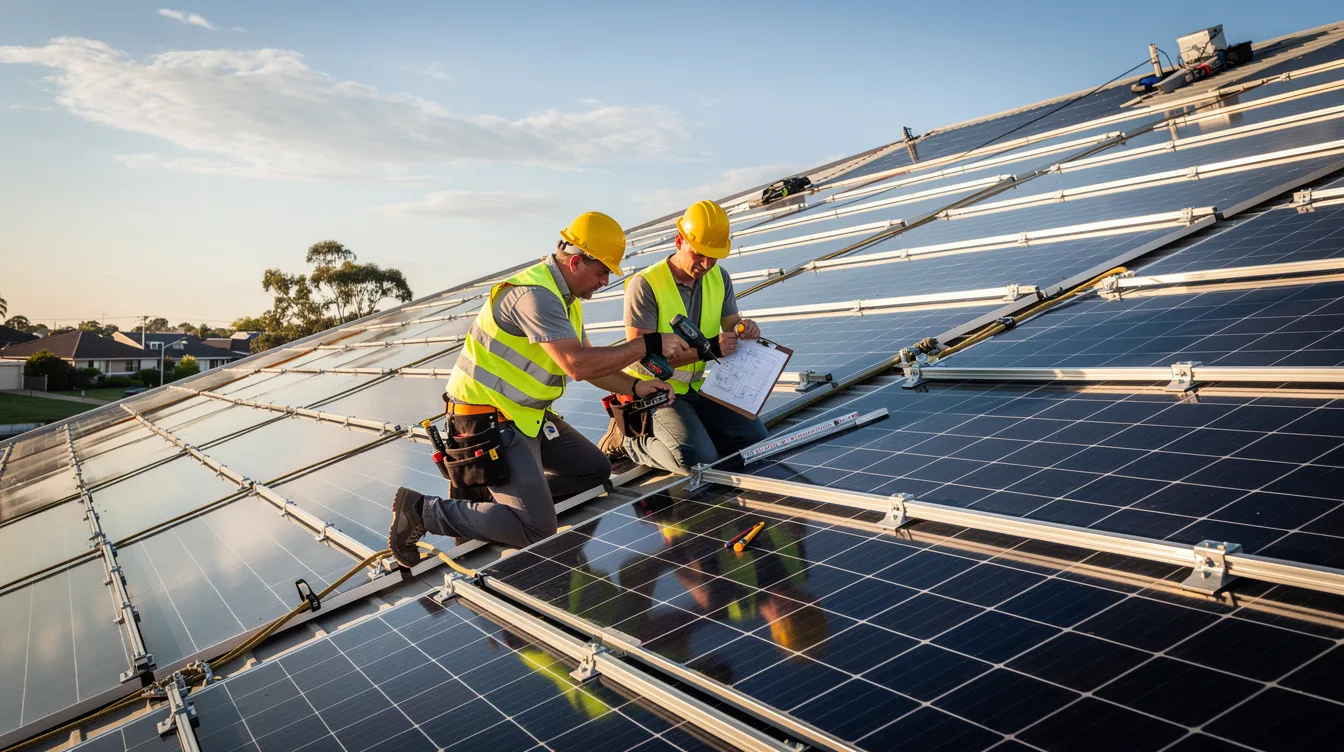
How Interviewa's AI agents support solar panel customer journeys
Solar panel purchases are high-value, complex decisions. Homeowners and facilities managers have detailed questions about how much energy a system will generate, whether battery storage makes sense, what export payments they'll receive, and which government schemes they qualify for. Getting quick, accurate answers builds trust - and converts browsers into buyers. The same need applies to solar panel installers and solar specialists that need to scale hiring as well as customer education.
Interviewa's AI outreach agents can be embedded directly on a solar installer's website or quote pages. These agents join live video calls with visitors or trigger conversation pop-ups, answering FAQs in real time, 24/7, using the installer's own documentation and brochure content.
Concrete use cases for solar companies:
- Explaining how much electricity a proposed system might generate based on the visitor's postcode and roof orientation
- Clarifying plug in solar panels legality and product requirements
- Walking homeowners through solar panel grant eligibility and application steps
- Outlining SEG export options and comparing tied vs standalone tariffs
- Answering questions about flat roof installations, how much sunlight is needed, or battery system sizing
Every AI-handled call is recorded with transcripts, sentiment analysis, and action points - so sales teams follow up on warm leads without repeating the initial discovery conversation. Internally, the same platform can assess new solar sales advisers' understanding of complex regulations.
Interviewa's outreach agents increase conversion from website visitors to booked surveys while keeping staffing costs under control.
Can Interviewa's AI agents be embedded on a solar installer's website?
Yes. Outreach AI agents can be embedded on any webpage or shared via link, operating 24/7 to answer visitor questions about solar panels cost, payback periods, grant eligibility, and system sizing - with every call recorded and summarised for sales follow-up.